Sell first or buy first. Both can work.
Some people sell first. Some buy first and pay for both for a while. Either way, you need a plan. Let's make yours.
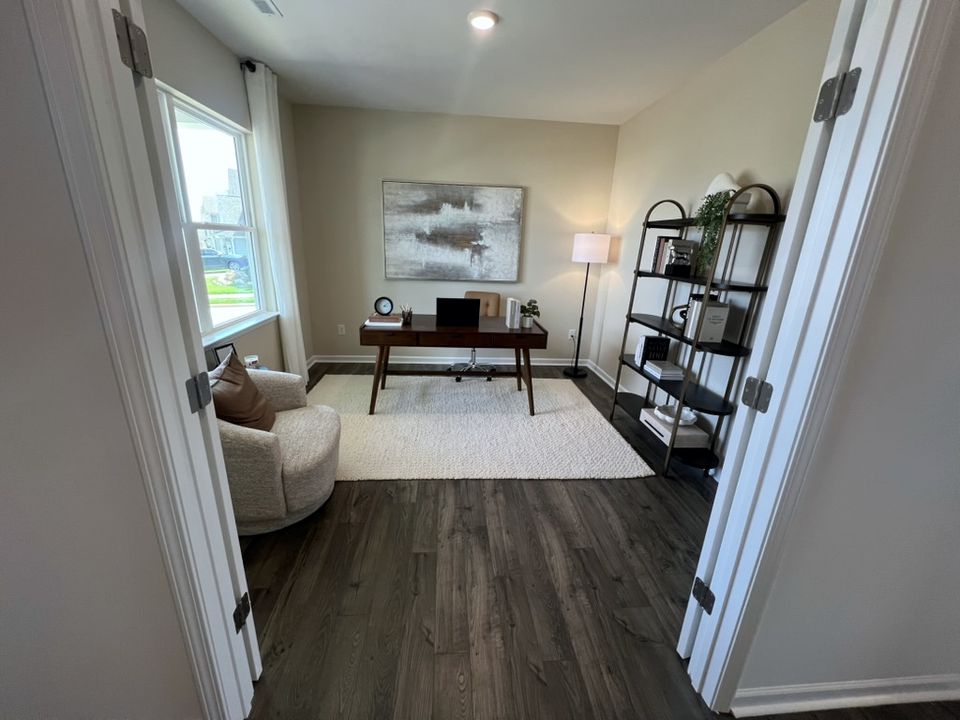 Shot 5 · placeholderOver your shoulder, pointing at a floor plan on the iPad. A buyer shows only from behind, with a release.
Sound familiar?
You have money in this house, but no room left in it. You're not sure what should come first: selling this one or buying the next.
This is the question I hear most. It's a fair one.
Most people I meet at Collins Ridge have a home to sell. I built the planner on this page to help them sort it out.
Here's the plan.
See your options side by side
Sell first, buy first, a home-sale contingency (your purchase depends on your home selling), or a program that buys your home or lends against it.
Check if you can pay both
A lender can tell you. If you can, buying first may be the easiest way to go.
Match your sale to the build
A home that hasn't started gives you months to sell. A finished home moves fast.
Fine print
Each D.R. Horton home has its own rules for contingencies, and they can change. Ask me about the home you like.
Your agent
I don't list homes. Pick a great listing agent, and I'll work with them on your timing.
Get a quick answer first.
Free, and about two minutes. You type in your own numbers, so the answer is an estimate, not a loan offer.
What's at stake
Two payments you didn't plan for. Moving twice. Selling in a rush.
When it works
One move. The money from your old home goes into the new one. You pick the date.
Homes that fit
Room to spread out
Everything on one floor
Just so you know: I work for D.R. Horton, the seller. You're always welcome to bring your own agent.